

Module Focus
Carrying & Loading
How weight distribution changes the way a grocery bag or suitcase feels.
Xujigo is a self-paced online program that studies functional strength and everyday mobility. Instead of performance metrics, the material looks at the movements that fill an average week: lifting a laundry basket, bending to tie a shoe, reaching a top shelf, or walking a few extra blocks without feeling winded.
The content is educational in nature. It does not require special equipment, and it makes no claims about specific results or timelines. It is built for people who want to understand movement principles at their own pace.
How weight distribution changes the way a grocery bag or suitcase feels.
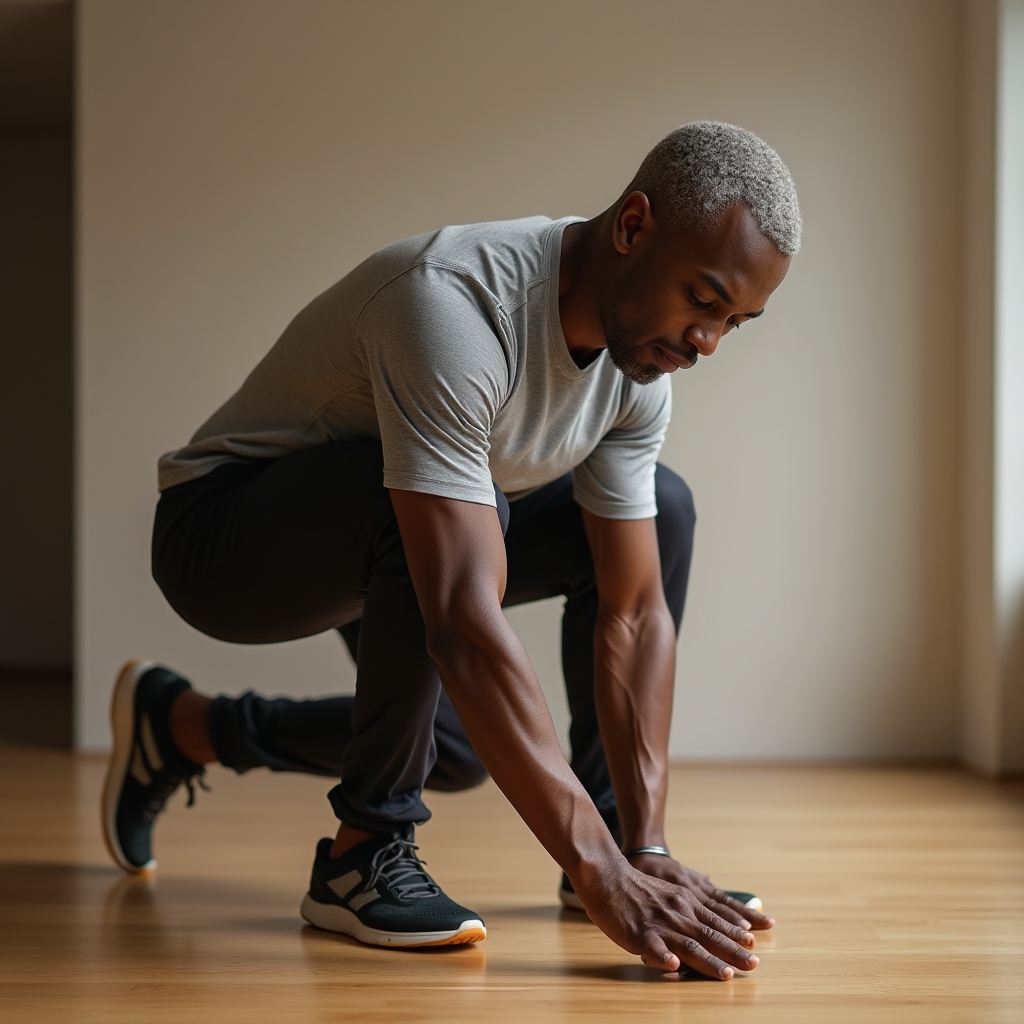
Hip and shoulder mechanics behind everyday reaching and floor transitions.

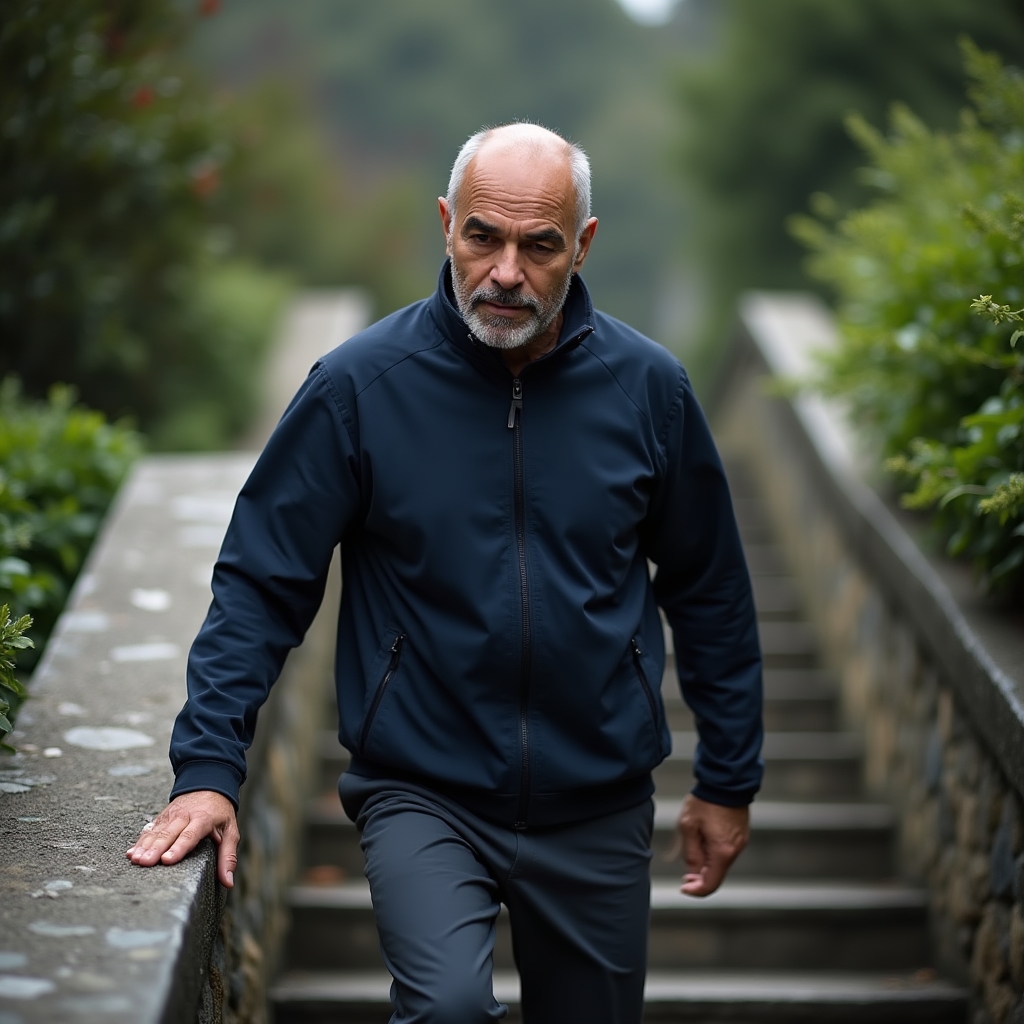
Pacing and posture concepts for longer walks, errands, and stairs.
Rather than chasing a single fitness style, the curriculum is organized around the physical demands people already encounter. Each area below is treated as its own field of study, with its own vocabulary and considerations.
How the body responds to carrying groceries, luggage, or a child, and why load position matters as much as load weight.
Concepts around getting down to and up from the floor, gardening postures, and tying shoes without strain.
How shoulder blade movement and torso rotation influence reaching overhead cabinets or car back seats.
General information on breathing rhythm, stride, and rest intervals for longer distances or uneven terrain.
Lessons explain the "why" behind movement patterns so participants can apply concepts to their own routine.
All sessions are built around bodyweight-based movement that can be studied in a living room or backyard.

How grip, posture, and pacing interact when a bag, box, or child needs to move from one place to another.

Hip hinge patterns, spinal positioning, and floor-to-standing transitions covered at a beginner-friendly pace.
Shoulder and thoracic mobility topics related to overhead tasks, driving, and desk-based stiffness.

Each topic includes narrated explanations so participants understand the reasoning behind a movement, not just the shape of it.
If you are weighing whether this kind of self-paced, educational format fits your routine, reaching out is a reasonable first step. There is no obligation attached to a conversation.

Recurring online sessions that walk through one movement topic at a time, followed by open discussion. Recordings remain available afterward for review.
View the series
Structured lessons organized by topic, from load carrying to walking endurance, that can be studied in any order and revisited whenever needed.
View the catalog"Fitness that only exists inside a gym does not always translate to a set of stairs, a heavy suitcase, or a low garden bed. Functional training tries to close that gap by studying the movement first, and the workout second."
Understanding a pattern tends to come before adding load or repetition. The material spends time on form and reasoning before anything else.
There is no scoring system in this program. Progress is treated as a personal, non-competitive process rather than a measured outcome.
No. The lessons are built around bodyweight-based movement and household objects that most people already have on hand.
The material starts from foundational concepts and is written for a general audience, though it is not a substitute for individualized guidance from a qualified professional.
No. This is general educational content about movement principles. It is not personalized coaching and does not include performance guarantees.
Through a combination of recorded video lessons, written explanations, and periodic live webinars that participants can watch at their own pace.
Yes. The course catalog and webinar recordings are viewable on mobile devices, tablets, and desktop browsers.
The course catalog lists every module currently covered in the program, along with a short description of what each one addresses.